









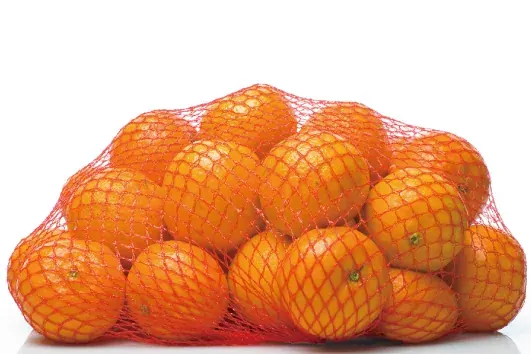
Winter means mandarin oranges! Nothing beats eating mandarins under the kotatsu. And when they are sold at supermarkets, you will often find them packed in red or orange mesh bags like the one in the photo.
Hello. This is Tsukamoto, also known as Ochiai, from Merci.
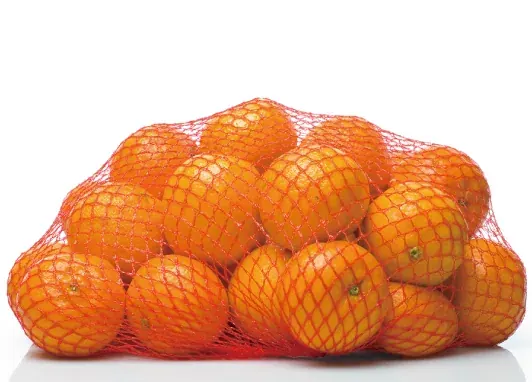
In fact, this takes advantage of a phenomenon called “color assimilation” to make you more likely to buy them!
What is color assimilation?
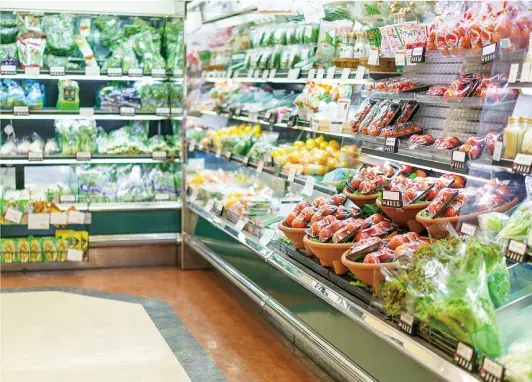
Color assimilation is a phenomenon in which two adjacent colors appear closer to each other.
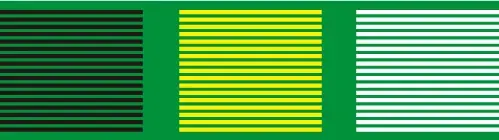
Take a look at this image. In this example, stripes of different colors have been placed over green.
With black stripes, the green looks darker,
with yellow stripes, the green takes on a yellowish tint,
and with white stripes, the green looks a little brighter.
This effect, in which a color appears closer to the color next to it, is called “color assimilation.”
Why does “color assimilation” boost the urge to buy?
Because the mesh bags for mandarins are red or orange, the fruit looks redder, as if it were ripe and delicious, which makes shoppers more inclined to buy.
The same goes for the green mesh bags used for okra: the okra looks greener, and appearing tastier and fresher encourages people to buy it.
As you can see, the properties of color are often put to use in the very things we look at without a second thought.
And that was our story about color assimilation!